Project Duration
01.03.2026 - 31.12.2028
Summary
Phosphorus is an essential plant nutrient and therefore indispensable for agricultural production. At the same time, global phosphorus resources are limited, and their extraction is associated with significant environmental and geopolitical challenges. In organic farming, phosphorus supply is a particularly pressing issue. Livestock-poor and stockless arable farms often exhibit negative phosphorus balances because nutrients are continuously removed from agricultural systems through the sale of food products.
The collaborative research project PHOENIX – Recycled Phosphorus Fertilisers in Organic Farming: Sustainable Integration and Circular Economy with P-XTRACT investigates new approaches to recovering phosphorus from sewage sludge ashes and utilising it as a recycled fertiliser in organic farming. The project aims to close nutrient cycles between urban and rural areas and to contribute to the long-term maintenance of soil fertility and crop productivity in organic farming systems.
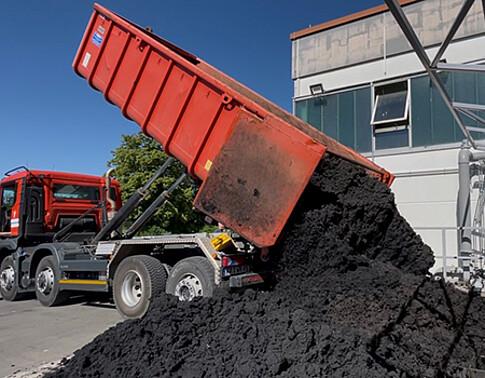
The project focuses on sewage sludge ashes generated during phosphorus recovery processes. These materials contain substantial amounts of phosphorus, however the nutrient is often only partially available to plants. Building on the experience gained in the P-XTRACT pilot project, PHOENIX evaluates different strategies to improve phosphorus availability. In addition to additive-treated ashes, the project investigates alternative treatment methods for untreated sewage sludge ashes that are compatible with the principles of organic farming.
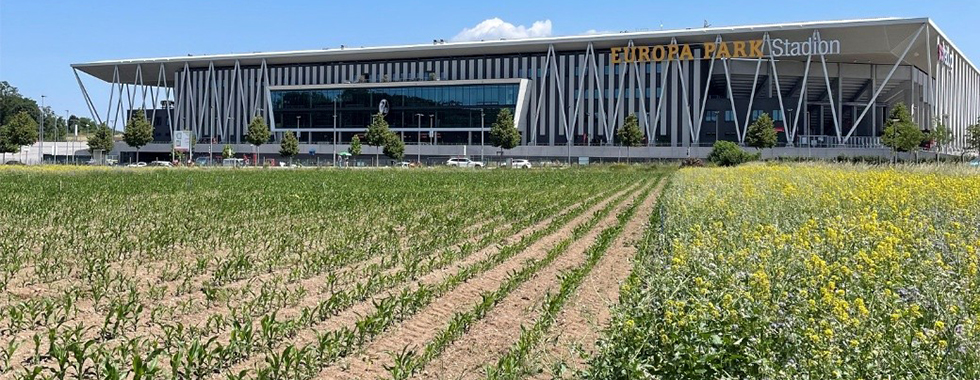
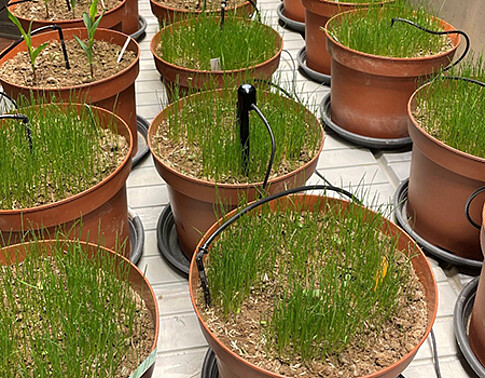
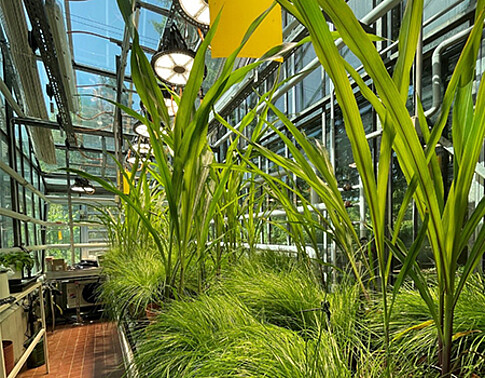
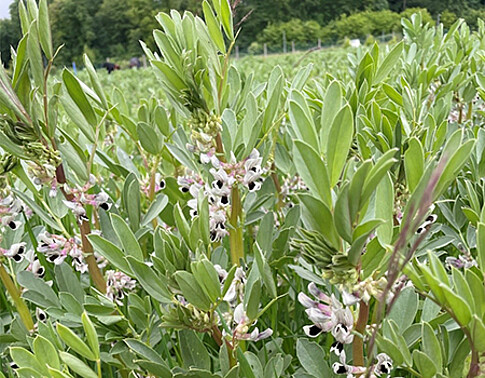
The research combines chemical and analytical investigations with greenhouse pot experiments and field trials. The fertiliser performance of different recycled phosphorus products, their phosphorus availability to crops, and their potential environmental impacts are systematically assessed. The goal is to generate scientifically sound evidence on the conditions under which these materials can contribute to a sustainable phosphorus supply in agriculture.
Beyond the natural science perspective, PHOENIX also addresses the social dimension of phosphorus recycling. The project examines how farmers and consumers perceive recycled fertilisers and identifies factors influencing their acceptance. The findings will help to develop future communication and implementation strategies for recycled phosphorus fertilisers in organic farming.
PHOENIX is carried out jointly by the University of Freiburg and the University of Hohenheim. The University of Freiburg contributes expertise in chemical analytics, material characterisation and nutrient cycling, while the University of Hohenheim is responsible for field trials in organic farming systems and the socio-economic research on the acceptance of recycled fertilisers.
Through its interdisciplinary approach, PHOENIX contributes to the development of a circular economy, the conservation of finite phosphorus resources, and the advancement of sustainable fertilisation strategies for organic farming.